
Discover the fascinating world of astrological psychology
Astrological Psychology or Huber Astrology
Combines astrology with growth psychology, a powerful tool for self-understanding and psychological/ spiritual growth.

Pinpoints where you are in life, what psychological stage you are travelling through, your motivations and current issues.
Used by individuals and by counsellors/ therapists. An effective way of getting to the heart of a client’s problems.
Bruno & Louise Huber
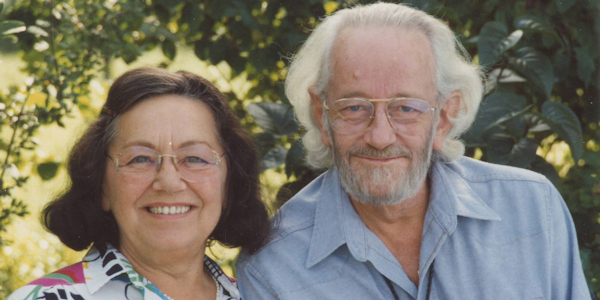
Swiss astrologers/ psychologists Bruno & Louise Huber collaborated with Roberto Assagioli, the founder of psychosynthesis, to develop their system.
They founded and ran the Astrological Psychology Institute (API) in Zurich 1968-2009, training many thousands of students. Linked Huber Schools in England and Spain closed 2019; book-based and online courses still available.
You
The books provide the basis for study of astrological psychology, together with a set of complementary resources.
Services are provided by Tutors/ Consultants to help your study process or help with your self development process.
The Books
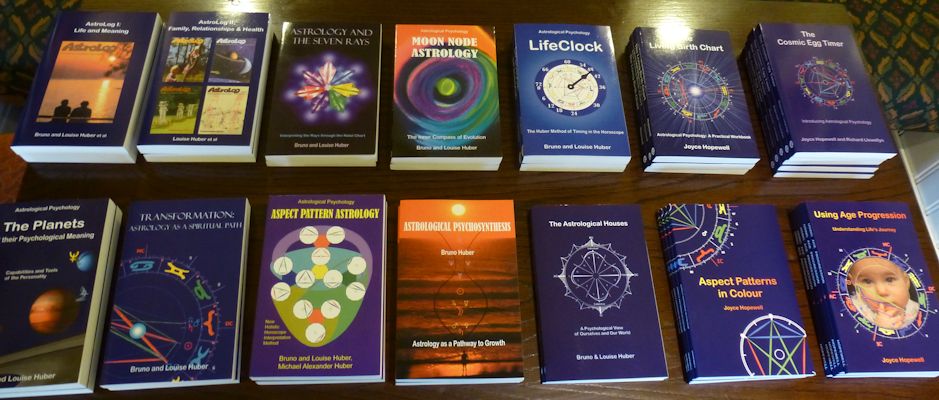
The Huber teachings are now documented in German, English and Spanish – a series of 8 books by the Hubers, plus works by further authors, including English teaching Principals Richard Llewellyn and Joyce Hopewell.
Full original teaching of the English Huber School is now available in book form.
Featured Books
- Best introduction: The Cosmic Egg Timer
- Most popular: Aspect Pattern Astrology
- Foundationstone: The Astrological Houses
- Age progression: Life Clock, The Second Time Around
- Planets: The Planets
- The Hubers: Piercing the Eggshell
- Complete course: Astrological Psychology
Blog latest
Moderated forum for ideas related to astrological psychology. You are welcome to submit, read and comment on any post.
-
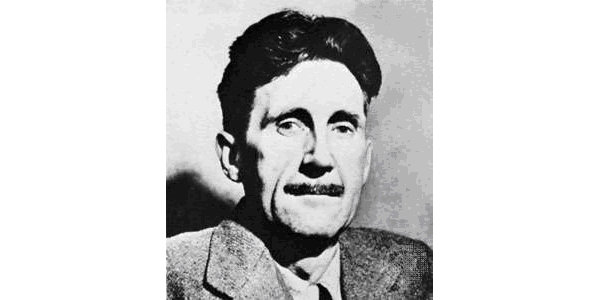
George Orwell. The Talent behind Nineteen Eighty-Four.
George Orwell, pseudonym for Eric Blair, was an English novelist, essayist, and critic famous for his novels, Animal Farm and Nineteen Eighty-Four, which was turned into a disturbing film in 1984. It is a profound anti-utopian novel that examines the dangers of totalitarian rule. Introduction When I read Nineteen Eighty-Four for the first time in the Seventies, it filled me with a sense… Read more
-

Informative and Colourful Introduction to Astrological Psychology
Shaun Craik-Horan offers his review of the new colour edition of The Cosmic Egg Timer: Introducing Astrological Psychology. Astrological Psychology, pioneered by Bruno and Louise Huber, is a fascinating School of Astrology with a wide breadth and multi-layered depth of concepts and techniques. The ‘official’ books (by Bruno and/or Louise Huber) offer extensive details and… Read more
-
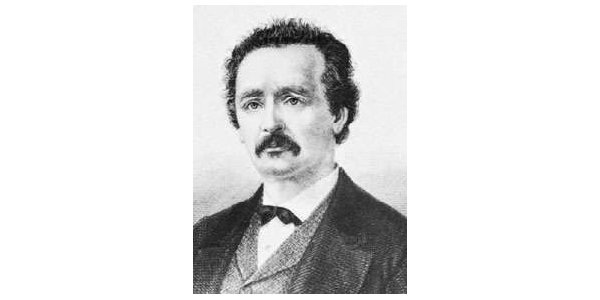
Gifts for Mankind. Troy and Mycenae – from Heinrich Schliemannn
There is no exact birth time for Heinrich Schliemann, the man considered the father of Archaeology after his groundbreaking excavations at Troy, Mycenae and Tiryns. I have set his birth time at midnight, based on several events that coincided with the progression of his Age Point: the death of his mother; the end of his… Read more
-

Forecasting Giants and Dodgers
Moderator’s note: I have received this unusual post from APA member Morris Bodnar. Its subject is not the development of the individual psyche, which is the normal context of astrological psychology, and was the focus of the researches of Bruno & Louise Huber. This post seeks to apply some aspects of the Huber approach, in… Read more
-

Anaἲs Nin. A veiled Eros.
Known as a diarist, novelist and writer of erotica, Anaἲs Nin was a woman of many faces. In her diaries of 35 000 pages, kept over 55 years, we see a daughter hurt by her father, a woman married to a banker, a bigamist later in life when she had two husbands, a femme fatale, a… Read more
-

What is a Cosmic Egg Timer?
The publisher HopeWell has just published the third edition of the book The Cosmic Egg Timer: Introducing Astrological Psychology. This is generally considered to provide the best introduction to this subject, and now has full colour illustrations. But note that, as the editor I’m biased. I hear some of you say “what on earth is… Read more
-

Aldous Huxley. The Birdman from Beyond.
Aldous Huxley is best known for his novel Brave New World, a dark vision of the future, which is regarded as one of the greatest novels of the 20th century. He’s also known for his experiments with mescaline and the resulting essays, The Doors of Perception. The chart resembles a bird, an Indian myna perhaps,… Read more
-

A Farewell to Ice
A Farewell to Ice: A Report from the Arctic, by Peter Wadhams, 1st pub. 2016, Penguin 2017 This 200-page informative and illustrated paperback, explaining why Arctic sea ice is retreating much more rapidly than most climate models have projected, and why this has serious implications for climate change and the survival of our planet, came… Read more
-

Astrology, Relationships and Click Horoscopes
When looking at relationships between two people, a conventional chart comparison (synastry) will seek out aspects between a planet in a sign in one person’s chart, and a planet in a sign in the other person’s. For example, the Moon in Cancer my chart might be in a 120 degrees apart trine aspect relationship with… Read more
-
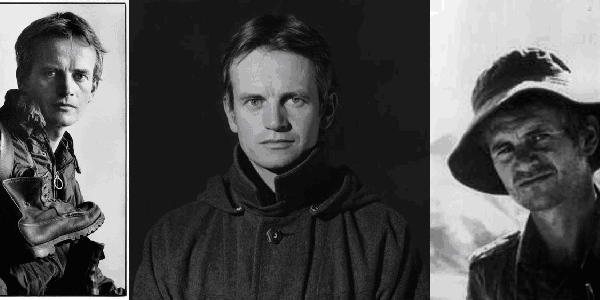
Bruce Chatwin’s Songline
A songline is a track that Australian Aborigines walk, singing their territories and their lives into creation, much like the Essenes danced their world into creation. As a travel writer, Bruce Chatwin walked his life into being. He travelled to territories little known in the 1970s such as Afghanistan, Patagonia at the southernmost tip of… Read more
-
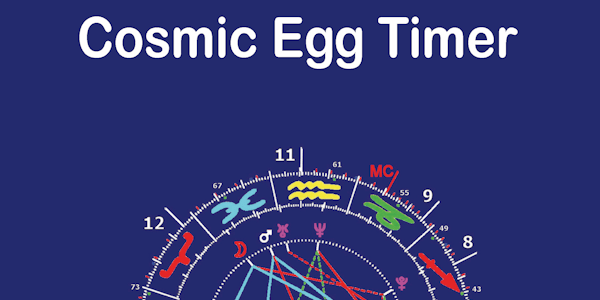
Getting into Astrological Psychology
Maybe you know little about astrological psychology but want to get to know more. How to go about it? Personal Contact One of the best ways of getting to know more is to talk to someone who knows. You could try a consultation with one of our consultants, or just speak to one of our… Read more
-
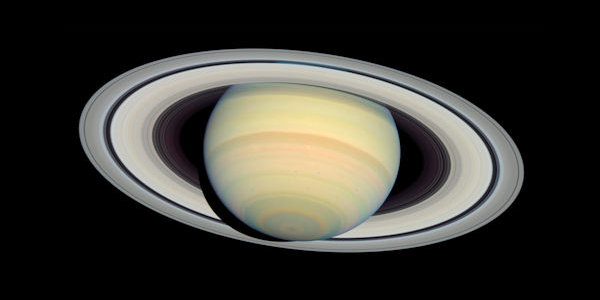
The Saturn impulse towards conservative reaction and repression
As we move into 2018-2019 we can see now the increase in anti-scientific bias on the part of the Trump administration evidenced in their recent censoring in the Center for Disease Control (CDC)of certain words like science- based, fetus, transgender, and diversity. One can see where this is going. Science- based evolution is a theory… Read more
Subscribe to blog
Get notified by email when new posts go up.
(Wordpress users can also subscribe through the Reader.)
“Astrological psychology has changed my life, it helped me know myself better, be kinder to myself and to be more accepting of the cycles in my life, the ebb and flow of energies. It has also helped hugely in my relationships, especially with my partner and my children. ”
HL, Manchester
 The Astrological Psychology of Bruno & Louise Huber